Tuesday, 13 December 2016

सुनता है गुरु ज्ञानी...

आज मैं बात करूँगा एक किताब की, जिसमें संगीत के शीर्षस्थ ११ कलाकारों से संवाद है। पुस्तक का नाम है -"सुनता है गुरु ज्ञानी" की। ऐसा कहा जाता है कि ध्रुपद की बात गुंडेचा बंधु के चर्चा के बिना अधूरा है। इस पुस्तक में गुंडेचा बंधु ने बड़ी ही सरलता से म्यूज़िक के अलग-अलग पहलुओं पर शास्त्रीय संगीत के बड़े-बड़े दिग्गजों की बातें लिखी है। हालाँकि यह पुस्तक एक संवाद के रूप में लिखा गया है।किताब १८५ पृष्ठ की हैं और यह भोपाल के ध्रुपद केंद्र से प्रकाशित हुई है। किताब बारे में लिखते हुए लगा कि पंडित मुकुल शिवपुत्र के बारे में पाठकों को बहुत कुछ जानने की ज़रूरत है। मुकुल
शिवपुत्र पंडित कुमार गंधर्व के पुत्र और शिष्य हैं और वे गुंडेचा बंधु से बात-चीत के दौरान ये बताते हैं कि कुमार गंधर्व एक गुरु के रूप में कैसे थे।मुकुल शिवपुत्र बताते हैं की कैसे उन्हें हर राग की तालीम दी जाती थी उनके पिता के द्वारा जो की हिंदुस्तान के सर्वकालीन सर्वश्रेठ गायकों में से एक थे।इसके अलवा कई और विषयों पर भी पंडित जी ने अपनी बात रखी है इस अध्याय में। वहीं दूसरी ओर उस्ताद रहीम फ़हिमुद्दीन डागर ने इस पुस्तक में मुख्यतः डागर घराने के गायकी और उसूलों पर अपनी सोच रखी है।तानसेन के हिन्दू होने या मुसलमान होने पर भी उन्होंने अपनी बात रखी है और बड़े ही सरल ढंग से यह बताने की कोशिश की है की किसी भी धर्म से होने से किसी की संगीत अथवा उसकी गायकी पर कोई प्रभाव नहीं पड़ता है। पुस्तक के तीसरे अध्याय की बात करें तो इसमें पं. देबू चौधरी से संगीत के अलग-अलग पहलुओं पर चर्चा है जिसमें पंडित जी ने मुख्यतः आज कल शास्त्रीय गायन में हार्मोनीयम के प्रयोग और संगीत की शिक्षा पद्धति में बदलाव पर अपनी बात रखी है।उनका मानना है कि हार्मोनीयम कभी भी शास्त्रीय गायन में संगत के तौर पर इस्तमाल नहीं होना चाहिए।इसके कई कारण पर इस पुस्तक में चर्चा की गयी है। पुस्तक में देश के महशूर संतूर वादक पं शिव कुमार शर्मा से गुंडेचा बंधुओं की वार्तालाप है।इस पाठ में पंडित जी ने बड़े ही रोचक अन्दाज़ में अपने वाद्य संतूर का इतिहास बताया है और अपने आज तक के संगीतमय सफ़र का भी वाख्या किया है। जयपुर घराने की दिग्गज किशोरी अमोनकर के बारे में भी किताब में चर्चा है। उनके बारे में पढ़कर पहली बात जो मुझे समझ आयी इस अध्याय से वो है कि विदुषी किशोरी जी एक स्पष्टवादी हैं और वो अपने विचारों को बड़ी स्पष्टता से रखा है इस पुस्तक में। विदुषी किशोरी अमोनकर ने अपने विचार फ़्यूज़न म्यूज़िक पर रखे हैं और उन्होंने अपने रियाज़ करने के तरीक़े के बारे में भी बतलाया है।और उन्होंने आज की पीढ़ी के लिए भी अपनी बात कही है इस पुस्तक में। इसके बाद के अध्याय में बात की गयी है भारत रत्न पंडित भीमसेन जोशी जी से। पंडित भीमसेन जोशी जी से बात करने के क्रम में लेखक उनसे आज के गायक उनके गायकी की नक़ल करते।इस पर उनकी बात जान ने की कोशिश की है साथ ही पंडित जी ने बंदिशों की प्रस्तुतीकरण पर भी अपनी बात रखी है इस अध्याय में। आगे चलते हैं और अगले अध्याय में बात-चीत है सरोद के उस्ताद -उस्ताद अमजद अली खान साहब से।उस्ताद जी ने पहले तो अपनी ख़ुशी इस बात पर ज़ाहिर की है कि एक संगीतकार दूसरे संगीतकार से बात कर रहा है और इस से पहले इस तरह की कोई पुस्तक नहीं आयी।इस अध्याय में उस्ताद जी से कई विषयों पर वार्तालाप की गयी है जैसे उनके अनुभवों के बारे में जब वे सरोद की तालीम दिया करते थे अपने शगिर्दों को।उस्ताद जी ने अपने पिता और अपने परिवार के बारे में भी काफ़ी कुछ कहा है।फ़्यूज़न म्यूज़िक, नए रागों की रचना इन सब विषयों पर भी अमजद अली खान साहब से बात किया गुंडेचा बंधु ने इस पुस्तक में। पुस्तक में देश के जाने-माने बाँसुरी वादक
पं.हरिप्रसाद चौरसिया जी से एक संवाद है गुंडेचा बंधु का।पंडित जी ने उनकी प्रारम्भिक शिक्षा और उनके स्कूली जीवन के बारे में बताया है इस अध्याय में।पंडित जी द्वारा फ़िल्मों में म्यूज़िक देने से ले कर अन्य बाँसुरी वादकों से उनकी वादन कैसे भिन्न है। इन सब के बारे में जान ने की कोशिश की गुंडेचा बंधु ने। बातों को आगे बढ़ाते हुए चलते हैं अगले अध्याय पर जिसमें बात कर रहे हैं गुंडेचा बंधु मशहूर तबलवादक पं सुरेश तलवलकर से।सबसे पहले गुंडेचा बंधु ने बात की शुरूआत करते हुए पंडित जी से आवर्तन के विषय पर बात की और आगे चल कर पंडित जी ने तबले के घरानों पर भी काफ़ी कुछ कहा। "मैं, मैं नहीं हूँ कोई और है" इस वाक्य से शुरू हुई गुंडेचा बंधु की वार्तालाप संगीत मार्तण्ड पं जसराज जी से।पंडित जी ने इस अध्याय में अपने बचपन की यादों को गुंडेचा बंधुओं से साझा किया है।आगे उन्होंने हार्मोनीयम का शास्त्रीय संगीत में उपयोग होने या ना होने पर भी अपनी बात कही है। आगे चलते हैं और अब हम आ पहुँचे हैं इस पुस्तक के अंतिम अध्याय में जिसमें गुंडेचा बंधु ने अपने गुरु उस्ताद जिया फरीदुद्दीन डागर के बारे में लिखा है उनसे हुई अपनी वार्तालाप को लिखा है। उस्ताद जी कहते हैं-"आवाज़ व्यक्तिगत है लेकिन 'स्टाइल' निजी नहीं है" । उस्ताद जी ने आज कल हो रहे इलेक्ट्रॉनिक तानपुरा के इस्तमाल को ले कर अपनी नाराज़गी व्यक्त की है।उनका मानना है कि इलेक्ट्रॉनिक तानपुरा में वो बात नहीं जो की एक तानपुरे में होती।आगे उन्होंने अपने विचार संगीत के घराने पर भी रखा है। इसके साथ ही हम पुस्तक के अंत पर आ पहुँचे। इसमें और भी कई रोचक और संगीत की बातें हैं। तो आपलोग इस पुस्तक को पढ़िए और आनंद लीजिए।निश्चित रूप से भारतीय शास्त्रीय संगीत के समकालीन दिग्गजों की राय इस विधा के विभिन्न बारीक पहलुओं पर प्रकाश डालता है और यह पुस्तक हर संगीत प्रेमी को पढ़नी चाहिए।फिर मिलेंगे और संगीत पर चर्चा को जारी रखेंगे।।

Sunday, 11 December 2016

A tribute to the Bharat Ratnas

India is a land of artistes and art dwells in every nook and corner of India. One such legendary artist the nation was blessed to have was Pandit Ravi Shankar. Rightly called “the godfather of world music”, the sitar maestro was a gem of Indian classical music. On December 11, 2016, it's his 4th death anniversary and on this occasion, I pay a tribute to him and his music.
     A Bengali Brahmin, he was born as Robindra Shankar in 1920 in the holy city of Varanasi. He was the one who initiated the use of Indian instruments in western music and thus introducing the sitar to the world wide music lovers. He performed frequently with the violinist Yehudi Menuhin, and composed a concerto with sitar for the London Symphony Orchestra. Pandit Jee was awarded with the Bharat Ratna and also three Grammy Awards in 1999. Its quite interesting but Pandit Jee started his performing career as a dancer in (his eldest brother) Uday Shankar’s troupe. He toured with the troupe from the age of 10 and started his study of the sitar only at 18. The song "sare jahan se accha" written by Md. Iqbal in 1904 was put on tune by this great maestro only in 1945.
  Its not possible to talk everything about this great maestro in one small post. Though he left us in 2012 but he is still been remembered by the music lover across the globe through his music.
    December 11, 2016, its also the 12th death anniversary of another bharat ratna and a great musician Vidhusi MS Subbulakshmi. One of the finest musician India ever produced she was the one who was awarded by Bharat Ratna for music for the very first time. I had recently talked of her and her music in my past post. Here is a quite interesting fact about her. Like music she was also known for her Kanjeevaram saris. A particular shade of blue saris (known as the ‘mayil kazhuthu kalar’ saris)
became popular as ”M.S. Blue”.
Subbulakshmi passed away on December 11, 2004 at the age of 88. She had mesmerized audiences both in India and abroad with her music. As a person she was humble and had a deep compassion for the poor. She represented the soul of Indian music.
  These musicians were a real gem or Ratna for the country. They brought the Indian music at the global platform and gave their life to the music. We really feel proud to be from the country of these great musicians.Once again I pay my tribute to these Bharat Ratnas of their death anniversary.

Thursday, 10 November 2016

The Fifth Note- A very pious initiative

Vocalist Ustad Rashid Khan who has enthralled the music lovers across the world, Pt Tanmay Bose a world famous tabla player and Pt Debojyoti Mishra a renowned film composer and a well known guitarist were on stage and the people from audience were all free to ask any questions or have conversation with these great maestros. The Jai Hind Auditorium at Mahamayatala Kolkata was jam
packed for this never like event. The event TFN- The Fifth Note, was an initiative of Shakri Begum Memorial Trust headed by Ustad Rashid Khan. It was a two day event, though I had missed the first day but I was lucky enough to attend it on the second day. I would really thank TFN for providing me an entry to this event through their quiz contest on facebook.
   Anyway, the second day of the event kickstarted with Sahona Khan acquainting the audience with the purpose of the TFN. What I understood was TFN is an organisation to promote and groom the upcoming and budding artists from any genre of music or dance. The students from Rabindra Bharti University, students from the Shakari Begum Memorial Trust, some gurus of music and dance and of course some music students from different states of India including me from Bihar were all ready with their questions to these great maestros. Finally the curtains from the stage were moved up and now audience could see Ustad Rashid Khan, Pt Tanmoy Bose and Pt Debojyoti Mishra sitting on the stage.Now madam Jyoeeta Basu Khan took hold the mic and in a very lively way she anchored the whole event. Rabindra Nath Tagore- a name without which discussions on music is incomplete. So, the discussions started with Gurudev's songs being sung by Ustad Jee in his mellifluous voice. He clearly showed how Guru dev's songs were based on raagas. Later, the students asked some questions to the maestros to which the maestros answered in a very informative way. It was really unfortunate for me that I could not comprehend the whole conversation due to my lack of Bangla language. I guess many people from other states had this problem so it would had been better if people would have conversed in either English or Hindi as well. Ustad Jee shared his experiences at SRA.How he would do his Riyaz while walking on the SRA lawns so that his guru couldn't hear him. He even said that there is no age of learning.Haidar Khan Sahab was one such musician who learnt music upto some extent in just 6 months at an very old age said Ustad Jee.Ustad Jee was very clear in his convection that there is no age barrier for learning anything.
       The discussions included all music genres whether it is dhrupad or khayal, trivat or western music.The maestros talked on everything. Trivat- a very interesting form of music I came to knew that day only. It's a combination of pakhawaj rhythms, tabla rhythms and bandish. Students from Shakri Begum Memorial Trust presented a triwat and the hall auditorium was spell bound. Even Sufi music was discussed and presented to the audience by a student. To add to the musical discussions was the singing of Ustad Jee. What can I say of his singing? In his melodious voice he sang a bandish in raag Puriya Kalyan perfectly accompanied by Pt Debojyoti Mishra on guitar.
  It is really a great initiative. Looking forward for the further TFN activities.Hopefully this initiative of "TFN" will help in making of many Pandits, Ustads and Vidushies. One thing which inspired me the most was Ustad Jee's saying that there is no shortcut for success in these fields.

Wednesday, 26 October 2016

A true genius....MS Subbulakshmi

A child prodigy to a singing movie star to the Carnatic icon she became in her lifetime. From achieving the prestigious Magsaysay Award to the Bharat Ratna, she definitely was a legend.
   Who is a legend? What makes a person legend? A person who represented a nation for the first time at UN that too through her music. A voice which echoes in the ears of billions of music lovers across
the world. A person who had travelled around the world as the countrys' Cultural Ambassador.These all definitely make the definition of a legend.Yes! its evident I am talking of one of the greatest musician India ever produced, a Carnatic Music legacy-MS Subhalakshmi. The year 2016 will be remembered for celebrating the birth centenary of this great legend. As I wrote above she was the one who represented India at the United Nations' General Assembly through her divine music. It was 23rd October 1966 and its 5 decades since she performed there. The United Nation,a Global body honoured this Global citizen on the eve of her 50th anniversary of her performance there.The UN Postal Administration issued stamp to mark Subbulakshmi’s 100th birth anniversary and also marking the 50th anniversary of her memorable performance at the General Assembly.
   This year has three major dates. First is the birth centenary of MS Subbulakshmi herself. The second is the Golden Jubilee of her UN concert! It is also the 70th year of India’s independence! The United Nations is celebrating all these occasions. In connection with this the United Nations had invited several artistes from India to perform on India’s Independence Day. Music director A R Rahman  paid his tribute to MS at the UN General Assembly.
   People said she was a divine manifestation. The flawless singer whose voice had a divine power, Her breath control with complete adherence to shruti had really made a billion music lovers fan of her.Her fan list included people like Mahatma Gandhi, Pt Jawaharlal Nehru, Sarojni Naidu.Sarojni Naidu after listening her performance once exclaimed Subbulakshmi was Meera come to life.
       Jawahar Lal Nehru called her the Queen of Music, Sarojini Naidu called her the Nightingale of India, Ustad Bade Ghulam Ali Khan called her Suswaralakshmi, and Lata Mangeshkar called her Tapaswini.
  This legendary singer will always be remembered among the music lovers throughout the globe through her music. India and we Indians are really proud to produce such a musician. The celebrating of her's birth centenary by UN on such a large scale speaks a milliom words. She really was a ratna-A Bharat Ratna.

Sunday, 9 October 2016

सरोद के उस्ताद...

जिस कलाकार ने दुनियाभर को अपने संगीत का रसिक बना रखा हो, जिन्हें पद्मश्री, पद्मभूषण, पद्मविभूषण जैसे अनेकों पुरस्कार से नवाज़ा जा चुका  हों और जिन्होंने ने 24 रागों की रचना की चुकी हो,वैसे कलाकार को उनके ७१ वें जन्मदिन पर मेरा शत्-शत् नमन।जी हाँ! आज ९ अक्तूबर है और आज जन्मदिन है "सरोद सम्राट" उस्ताद अमजद अली खान का।छह साल की उम्र से संगीत सीखने वाले उस्ताद अमजद अली खां साहब अपने परिवार की छठी पीढ़ी हैं जो संगीत को आगे बढ़ा रहे हैं। उस्ताद जी संगीत के लिए प्रसिद्ध बंगश घराने से आते हैं और उन्होंने अपनी तालीम अपने पिता उस्ताद
उस्ताद अमजद अली खान
हाफ़िज़ अली खान से ली है।उस्ताद हाफ़िज़ अली खान ग्वालियर घराने के सभा-संगीतज्ञ थे।इन्हें भी भारत सरकार द्वारा पद्म भूषण से सम्मानित किया गया था।
    अमजद अली खान साहब का व्यक्तित्व इतना सहज लेकिन इतना प्रभावी है कि मशहूर निर्देशक गुलजार ने 1990 में उन पर फिल्म प्रभाग की तरफ से ‘अमजद अली खान’ शीर्षक से एक वृतचित्र फिल्म का निर्माण किया और इस फिल्म को उस वर्ष सर्वश्रेष्ठ वृतचित्र का राष्ट्रीय पुरस्कार भी मिला।आज के दौर में जहाँ शास्त्रीय संगीत में वाद्य-यंत्र के प्रति लोगों की अभिरुचि कम होती जा रही है वैसे में भी उस्ताद जी सरोद जैसे वाद्य की मधुर झंकार से लोगों को देश-विदेश में अपना क़ायल बना रखा है।ईरान का वाद्य 'रबाब' को भारतीय संगीत परंपरा एवं वाद्यों के अनुकूल परिवर्धित करके निर्मित किया गया। यह नया वाद्य यंत्र ही 'सरोद' कहलाया जिसका अर्थ होता है मेलोडी अर्थात मधुरता है।भारत ही नहीं, पूरा विश्व आज इनसे संगीत की दीक्षा लेना चाहता है।उस्ताद जी ने देश-विदेश के अनेक बड़े संगीत सम्मेलनों में संगीत प्रस्तुत कर श्रोताओं को मंत्रमुग्ध किया है। इनमें कुछ प्रमुख हैं- रॉयल अल्बर्ट हॉल, रॉयल फेस्टिवल हॉल, केनेडी सेंटर, हाउस ऑफ कॉमंस, फ्रैंकफुर्ट का मोजार्ट हॉल, शिकागो सिंफनी सेंटर, ऑस्ट्रेलिया का सेंट जेम्स पैलेस और ओपेरा हाउस आदि।इन्होंने ग्वालियर में एक म्यूज़ीयम "सरोद घर" भी खोल रखा है जहाँ सरोद से जुड़े फोटो, दस्तावेज, शास्त्रीय संगीत पर किताबें, लेख आदि का एक ख़ज़ाना है।
   उस्ताद जी का मानना है कि "संगीत एक इबादत है क्योंकि वह खुदा की देन है और दुनिया का हर धर्म संगीत के जरिये ही इबादत करता है. मस्जिद की अजान और मंदिर के घंटे-घड़ियाल इसी मौसिकी की एक मिसाल है।"प्रसिद्ध भरतनाट्यम नर्तकी सुब्बालक्ष्मी उनकी धर्मपत्नी हैं।
   महात्मा गांधी की 144वीं जयंती पर जब संयुक्त राष्ट्र की विशेष सभा में राष्ट्रपिता को संगीत से श्रद्धांजलि देने की बारी आई तो इस कार्य के लिए भी उस्ताद अमजद अली खान को चुना गया था।उस्ताद जी ने अपने संगीतमय घराने को आगे बढ़ाते हुए अपने दो पुत्रों उस्ताद अमान अली और उस्ताद अयान अली को भी इस वाद्य की तालीम दी और अपने पिता की तरह हो ये दोनों भी अपने संगीत से दुनिया भर में अपनी एक पहचान बना चुके हैं।
 बातें तो और भी हैं पर बाक़ी बातें फिर कभी।एक बार फिर उस्ताद अमजद अली खान साहब को मेरा नमन।।

Sunday, 25 September 2016

बिस्मिल्ला की शहनाई ...

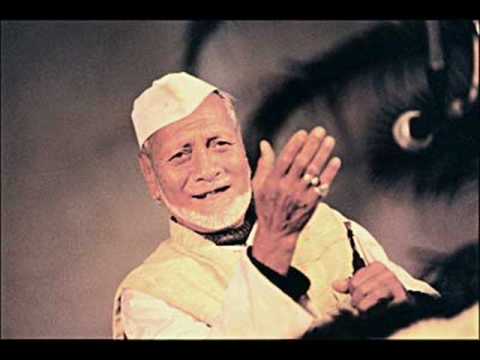
बनारस की सुबह, गंगा का कल-कल बहता पानी, सूर्योदय की हल्की हल्की लालिमा,वातावरण में एक अद्भुत शांति और सुकून और उस गंगा के किनारे से आती हुई शहनाई की मधुर आवाज़।ऐसा लगता जैसे कोई गंगा को ही शहनाई सुना रहा हो।हाँ!! यह शहनाई और कोई नहीं बल्कि उस्ताद बिस्मिल्ला खान सुना रहे होते थे।पद्म श्री,पद्म भूषण,पद्म विभूषण, भारत रत्न जैसे सभी पद्म पुरुष्कारों से जिन्हें सम्मानित किया गया था।ऐसा नाम जो शहनाई का पर्याय सा बन चुका था।उस्ताद जी ऐसे थे जिन्होंने शहनाई को एक शादी-ब्याह में बजाए जाने वाले वाद्य से बढा कर एक शास्त्रीय संगीत के वाद्य के रूप में स्थापित किया।अपने चाचा अली बख्श 'विलायती' साहब से उस्ताद जी ने अपनी शहनाई की तालीम ली थी।उस्ताद जी का व्यक्तित्व बनारस के हर रंग से रंगा हुआ था।उनका व्यक्तित्व  गंगा-यमुना तहज़ीब को सही अर्थ में सार्थक करता था।बिस्मिल्ला खान साहब कहते थे-"संगीत वो चीज़ है जिसमें जात-पात नहीं देखा जाता,संगीत किसी मजहब का बुरा नहीं चाहता।"उनके लिए तो शहनाई बजाना अल्लाह के इबादत जैसा था।शहनाई को तो उन्होंने अपनी बेगम का दर्जा दे रखा था अपनी बेगम की मृत्यु के बाद।सहजता,सरलता और सुगमता ही उनकी फ़क़ीरी व्यक्तित्व की पहचान थी।
          उस्‍ताद जी  का जन्‍म बिहार के डुमरांव में 21 मार्च 1916 को एक मुस्लिम परिवार में पैगम्बर खां और मिट्ठन बाई के यहां हुआ था और यह वर्ष हम उनकी शताब्दी मना रहे हैं।मैं यहाँ बिस्मिल्ला खान साहब से जुरी एक बड़ी ही रोचक बात  बताना चाहूँगा, उस्ताद जी की माँ कभी नहीं चाहती थीं की उनका पुत्र एक शहनाई वादक बने।ऐसा इसलिए क्यों की उनकी माँ इसे बहुत उपयुक्त काम नहीं समझती थी।उनका मानना था की शहनाईवादकों को सिर्फ़ शादी-ब्याह में बुलाया जाता था।१५ अगस्त १९४७ को जब हमारा देश आज़ाद हुआ तब उस्ताद जी की ही शहनाई की फूँक लाल क़िले पर गूँज रही थी तब से ये एक प्रथा सी बन गयी की हर आज़ादी दिवस पर लाल क़िले पर ध्वजारोहन के बाद उस्ताद जी की शहनाई बजाई जाएगी।उस्ताद जी ने वैसे  दौर में भी गाना-बजाना किया जब की इसको सम्‍मान की निगाह से नहीं देखा जाता था, तब ख़ां साहब ने 'बजरी', 'चैती' और 'झूला' जैसी लोकधुनें बजा कर शहनाई जैसे वाद्य को एक देश-
विदेश में एक अलग ही पहचान दिलाई।
   शहनाईवादक उस्ताद बिस्मिल्ला ख़ां की जिंदगी पर "सुर की बारादरी"नाम से यतीन्द्र मिश्र ने किताब लिखी है। ये दरअसल उस्ताद से यतीन्द्र की हुई बातचीतों और मुलाकातों की किताबी शक्ल है जिसे आप संस्मरण और जीवनी लेखन के आसपास की विधा मान सकते हैं। किताबों पर विस्तार में बात न करते हुए यहां हम फिर उस्ताद बिस्मिल्ला खां के उस प्रसंग को उठा रहे हैं जो कि हमारे ख़्वाबों को पुनर्परिभाषित करने के काम आ सके। बकौल यतीन्द्र मिश्र-
तब उस्तादजी को 'भारत रत्न'भी मिल चुका था। पूरी तरह स्थापित और दुनिया में उनका नाम था। एक बार एक उनकी शिष्या ने कहा कि- उस्तादजी,अब आपको तो भारतरत्न भी मिल चुका है और दुनियाभर के लोग आते रहते हैं आपसे मिलने के लिए। फिर भी आप फटी तहमद पहना करते हैं,अच्छा नहीं लगता। उस्तादजी ने बड़े ही लाड़ से जबाब दिया- अरे,बेटी भारतरत्न इ लुंगिया को थोड़े ही न मिला है। लुंगिया का क्या है,आज फटी है,कल सिल जाएगा। दुआ करो कि ये सुर न फटी मिले।..
    उस्‍ताद बिस्मिल्‍लाह खान की शहनाई की धुन बनारस के गंगा घाट से निकलकर दुनिया के कई देशों में बिखरती रही। उनकी शहनाई अमेरिका,एशिया,अफ़्रीका जैसे सभी महाद्वीपों में गूँजी।उनकी शहनाई की गूंज से फिल्‍मी दुनिया भी  अछूती नहीं रही। उन्होंने कन्नड़ फ़िल्म ‘सन्नादी अपन्ना’, हिंदी फ़िल्म ‘गूंज उठी शहनाई’और सत्यजीत रे की फ़िल्म ‘जलसाघर’ के लिए शहनाई की धुनें बजाईं। आखिरी बार उन्होंने आशुतोष गोवारिकर की हिन्दी फ़िल्म‘स्वदेश’ के गीत‘ये जो देश है तेरा’में शहनाई की मधुर धुन बिखेरी।उनकी मरते दम तक यह ख़्वाहिश थी कि वो कभी इंडिया गेट पर शहनाई बजाएँ किंतु यह ख़्वाहिश उनकी पूरी न हो सकी।यक़ीन मानिए उनकी व्यक्तित्व,उनकी तहज़ीब,उनकी सोच, उनकी संगीत जो हर भेद-विभेद से ऊपर रहा। आज की परिस्थितियाँ उन्हें और उनकी व्यक्तित्व को और भी प्रासंगिक बना दिया है।
     

Music Has No Boundaries...

One thing which can’t be stopped from travelling to a different country without a visa or passport is- Art and Music. I will talk about ...